
In every modern electronic device—whether it’s a smartphone, laptop, smartwatch, or an industrial robot—there is one core element that quietly keeps everything functioning: the printed circuit board, often referred to as a PCB. You might wonder, what is a PCB, what does PCB mean, and how does it actually work inside electronics? This comprehensive guide breaks these questions down into clear, easy-to-understand explanations, helping you fully grasp the meaning of printed circuit board technology and why it matters.
What Is a Printed Circuit Board?
A Printed Circuit Board (PCB) is a flat, layered board made of insulating material—usually fiberglass—combined with copper pathways that allow electrical components to communicate with one another. If you’re asking, what is pc board, it’s simply another way of referring to a PCB.
Essentially, the PCB replaces bulky hand-wired connections with a clean, optimized layout of copper traces that guide electricity through a device. This design not only reduces size but ensures reliability, consistency, and high performance.
Today, PCBs come in all shapes and sizes, from tiny boards inside wearable devices to large multilayer circuit boards used in computers and industrial systems.
What Is PCB in Computer?
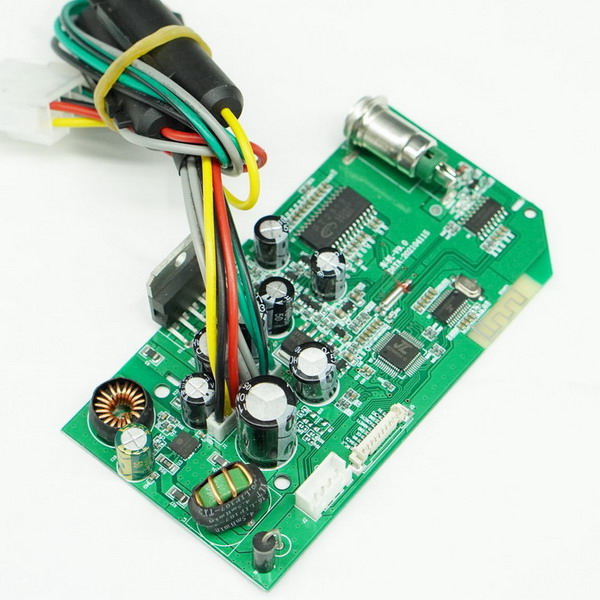
If you’re wondering what is PCB in computer, the answer is surprisingly simple: computers rely on multiple PCBs to function. The best-known example is the motherboard—a complex, multilayer circuit board that connects the CPU, memory, GPUs, storage drives, and ports.
Computers also contain:
-
Power management PCBs
-
GPU PCBs
-
Keyboard and touchpad PCBs
-
Display interface boards
-
Network card PCBs
Every component that requires structure, power, or signal routing depends on a printed circuit board to operate.
What Is PCB in Electronics?
In electronics, a PCB is the foundation of any device. Whether you’re looking at medical equipment, automotive electronics, 5G telecom hardware, home appliances, or IoT devices, you will find a PCB inside.
In short, any electronic product you use daily—no matter how simple or advanced—depends on a PCB to connect parts and maintain stable electrical performance.
Types of PCBs
Printed circuit boards come in many variations. To understand the differences, you first need to know the types of circuit board structures and how each supports different applications.
PCBs vary by layer count, complexity, material, and flexibility. The most common types include single-sided, double-sided, and multilayer PCBs.
Below is a clear and simple table that summarizes the basics of each type.
PCB Types Overview Table
| PCB Type | Copper Layers | Complexity Level | Typical Uses | Cost Level | Notes |
|---|---|---|---|---|---|
| Single-Sided PCB | 1 | Low | Calculators, toys, LED boards | Low | Best for simple circuits |
| Double-Sided PCB | 2 | Medium | Industrial equipment, power devices | Medium | Components on both sides |
| Multilayer PCB | 3+ | High | Computers, smartphones, telecom gear | Higher | Supports dense routing |
| Rigid PCB | 1–20+ | Medium–High | Consumer electronics, automotive | Medium | Non-flexible, strong structure |
| Flexible PCB | 1–8 | Medium | Wearables, foldable devices | Medium–High | Bendable and lightweight |
| Rigid-Flex PCB | 4–20 | High | Aerospace, medical devices | High | Combines flexibility + stability |
This table provides a quick way to understand the types of circuit board used across industries.
Single-Sided PCB
A single-sided PCB contains copper traces on just one side of the board. Because of its simplicity, it’s commonly used for low-cost, high-volume electronics where performance requirements are minimal.
Typical applications include:
-
LED modules
-
Power chargers
-
Household electronics
-
Simple consumer devices
Double-Sided PCB
A double-sided PCB allows copper routing on both the top and bottom layers. This enables more complex electrical pathways and supports slightly more advanced circuits.
What makes this type especially useful is the plated-through hole (PTH) structure, allowing signals to move between layers.
These boards are widely used in:
-
Industrial controls
-
HVAC systems
-
Power supplies
-
Automotive electronics
Multilayer PCB
A multilayer PCB consists of three or more copper layers stacked together. These boards support advanced electronics, complex processors, and high-speed digital or RF signals.
Common uses include:
-
Smartphones
-
Tablets
-
Laptops
-
Automotive ADAS systems
-
Medical diagnostic equipment
-
5G communication devices
Multilayer PCBs represent the future of high-density circuit design.
How Printed Circuit Board Assembly Works
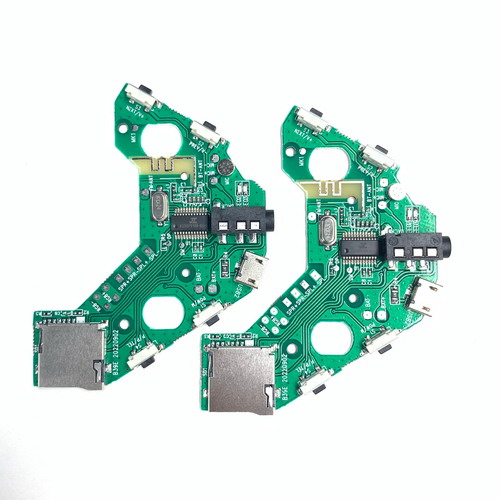
Creating a PCB is only the first step. The next phase—Printed Circuit Board Assembly (PCBA)—involves mounting and soldering electronic components onto the board.
1. Solder Paste Printing
A stencil applies solder paste to specific pads where components will be placed.
2. Pick-and-Place Machine
High-speed robotic machines place components onto the board with incredible precision.
3. Reflow Soldering
The board passes through a controlled-heat oven that melts the solder and secures components.
4. Wave Soldering (for Through-Hole Parts)
Larger components may be soldered using molten solder waves.
5. Inspection & Testing
Quality checks ensure the board functions correctly:
-
AOI (Automated Optical Inspection)
-
X-ray inspection
-
Functional tests
-
In-circuit tests
Once assembly is complete, the PCB is ready for use inside an electronic product.
PCB vs Motherboard: What’s the Difference?
Although closely related, PCB vs motherboard refers to different things.
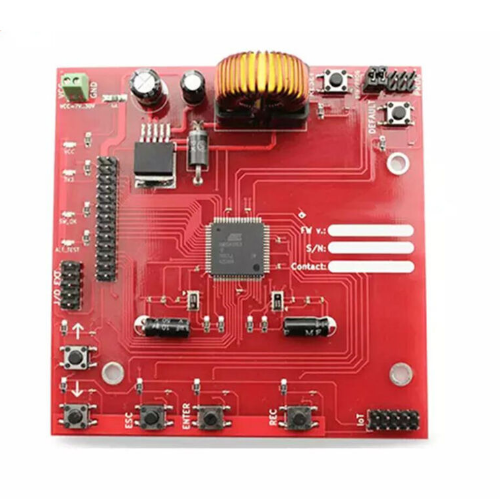
PCB
-
Any printed circuit board
-
May be simple or multilayer
-
Can be empty (bare board) or fully assembled
Motherboard
-
A highly advanced type of PCB
-
Found in computers, servers, and laptops
-
Contains multiple connectors, layers, and integrated circuits
In simple terms:
All motherboards are PCBs, but not all PCBs are motherboards.
PCB Applications by Industry
PCBs support nearly every modern industry.
1. Consumer Electronics
Smartphones, TVs, headphones, laptops, gaming consoles.
2. Automotive
Engine control units, ADAS, battery management systems, infotainment.
3. Industrial Automation
Robotic arms, PLCs, motor drivers, sensors.
4. Medical Devices
Portable monitors, imaging equipment, implantable devices.
5. Telecommunications
Routers, 5G base stations, networking switches, fiber modules.
6. Aerospace & Defense
Flight control systems, radar, satellite equipment.
The Future of PCBs
The evolution of PCBs reflects the future of electronics. Several powerful trends are shaping the next decade:
-
HDI miniaturization for compact devices
-
Flexible and rigid-flex boards for wearables and foldables
-
Eco-friendly PCB materials
-
Embedded components reducing board size
-
AI-driven PCB design optimization
-
High-power PCBs for EV and renewable energy systems
Conclusion
From computers to medical equipment, from automotive electronics to IoT devices, the PCB plays a critical role in powering our technology-driven world. Understanding what is a PCB, what does PCB mean, and how PCBs work helps you appreciate the foundation of every modern electronic system.
Whether you’re comparing pcb vs motherboard, exploring different types of circuit board, or simply learning the meaning of printed circuit board, one thing is clear: the future of electronics relies heavily on continuous PCB innovation.
FAQs About PCBs
1. What is a PCB simple definition?
A PCB, or printed circuit board, is a flat board that uses copper pathways to connect electronic components. It provides structure, stability, and electrical conductivity, making it essential for almost every electronic device.
2. What is a PCB in waste?
In waste management, a PCB refers to discarded circuit boards from electronics. These boards contain valuable materials like copper and gold but also hazardous substances, so proper recycling is important to prevent environmental contamination.
3. How to tell if a PCB is damaged?
A damaged PCB may show burn marks, broken traces, cracked solder joints, or malfunctioning components. In many cases, the device might fail to power on or behave erratically. Testing with diagnostic tools can confirm internal failures.
4. Are PCBs safe to touch?
Most modern PCBs are safe to touch when the device is powered off. However, high-voltage boards, industrial PCBs, or damaged boards may pose risks. Always avoid touching powered circuits and follow proper handling precautions.
5. What is PCB and its purpose?
A PCB is the foundation of electronic design. Its purpose is to support and connect components, deliver electrical signals, and ensure device reliability. Without a PCB, modern electronics would be larger, less dependable, and far harder to manufacture.
4 Responses