
In the fast-paced world of electronics manufacturing, precision and efficiency are crucial. One tool that has gained attention among engineers and technicians is the PCB copy board. This device plays a vital role in reproducing printed circuit boards (PCBs) for prototyping, repair, and testing purposes. Understanding what a PCB copy board is, how it works, and its applications can help manufacturers, repair shops, and electronics enthusiasts streamline their operations.
What is a PCB Copy Board?
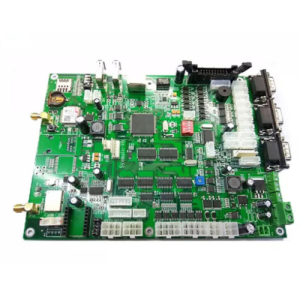
A PCB copy board is a device or a process used to replicate an existing printed circuit board. Essentially, it allows engineers to create an exact copy of a PCB without designing it from scratch. This is particularly useful when schematics are unavailable, or when a manufacturer needs to replicate a legacy board.
The process involves scanning or tracing the original PCB to record its circuitry, components, and layout. Modern PCB copy boards may include software tools that convert these scans into digital designs ready for fabrication.
How PCB Copy Boards Work
1. Scanning the Original PCB
The first step in copying a PCB is scanning the original board. High-resolution scanners capture the exact layout of the copper traces, pads, and component placements. Some advanced PCB copy systems can even detect layer structures for multi-layer PCBs.
2. Converting to Digital Design
Once scanned, specialized software converts the images into a digital schematic. This process often involves tracing copper paths, identifying components, and mapping connections accurately.
3. Creating a Prototype
After generating the digital design, the PCB copy board system can fabricate a prototype. This may involve printing the board using photolithography, CNC milling, or other PCB manufacturing techniques.
4. Testing and Verification
A crucial step in the PCB copying process is testing. Engineers check the replicated board against the original to ensure electrical continuity, signal integrity, and component functionality. This ensures the copy board is reliable for its intended use.
Applications of PCB Copy Boards
PCB copy boards are versatile and can be used in various scenarios:
1. Electronics Repair
Repair shops often use PCB copy boards to reproduce obsolete or discontinued circuit boards. This enables repair of legacy devices without sourcing original parts.
2. Prototyping
For product development, engineers may use a PCB copy board to replicate an existing design for testing or modification. It reduces time spent redesigning a circuit while allowing iterative improvements.
3. Reverse Engineering
In some cases, a company may need to analyze a competitor’s PCB to understand design choices or verify compliance. PCB copy boards facilitate accurate reverse engineering while adhering to legal standards.
4. Educational Purposes
Universities and technical training centers use PCB copy boards to teach students about circuit design and board fabrication. Copying an existing PCB helps learners understand real-world designs.
Advantages of Using a PCB Copy Board
-
Time Efficiency: Replicating an existing PCB is faster than designing a new board from scratch.
-
Cost Savings: Reduces development costs by eliminating the need for complete redesigns.
-
Accuracy: High-resolution scanning ensures the copy closely matches the original board.
-
Flexibility: Useful for prototyping, repairs, and educational projects.
Things to Consider When Using PCB Copy Boards
-
Board Complexity: Multi-layer PCBs can be more challenging to replicate accurately. Advanced equipment may be required.
-
Intellectual Property: Copying a PCB may infringe on patents or copyrights. Always ensure legal compliance.
-
Equipment Quality: High-precision scanners and software improve replication accuracy. Investing in quality equipment ensures better results.
-
Component Sourcing: Even if the PCB is copied accurately, some original components may no longer be available. Alternative components may need to be sourced carefully.
FAQs About PCB Copy Boards
Q1: Can any PCB be copied using a PCB copy board?
A1: Most single-layer and simple multi-layer boards can be copied. Complex multi-layer boards may require advanced scanning and fabrication techniques.
Q2: Is a PCB copy board legal to use?
A2: Using a PCB copy board is legal for personal projects, repairs, or educational purposes. However, copying proprietary boards for commercial use may infringe on intellectual property rights.
Q3: How accurate is a PCB copy board?
A3: Accuracy depends on the scanner and software quality. High-end PCB copy boards can replicate boards with near-perfect precision, including multi-layer designs.
Q4: Are PCB copy boards suitable for mass production?
A4: They are primarily used for prototyping and small-scale replication. For mass production, original CAD designs are usually preferred for consistency and efficiency.
Conclusion
A PCB copy board is an invaluable tool in electronics repair, prototyping, and education. By allowing engineers to replicate existing circuit boards quickly and accurately, it saves time, reduces costs, and enhances learning opportunities. Companies like Shenzhen Thriver Digital Tech Co., Ltd. provide advanced PCB replication solutions that ensure high accuracy and reliability for professionals.
Whether you are an electronics hobbyist, a repair technician, or a product developer, understanding and utilizing PCB copy boards can greatly improve your workflow and efficiency.

One Response