
Printed circuit boards are the foundation of modern electronic devices. From consumer electronics and LED lighting to automotive systems and industrial control equipment, PCBs play a vital role in connecting and supporting electronic components. Among the many PCB types available today, aluminum PCB technology has become increasingly popular due to its excellent heat dissipation and mechanical strength.
Traditional PCBs are typically made with FR4 fiberglass material, which works well for many electronic products. However, as electronic devices become more compact and powerful, heat management becomes a critical challenge. This is where aluminum printed circuit boards provide a major advantage.
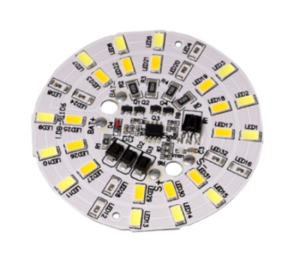
An alu PCB integrates a metal base layer that allows heat to dissipate quickly, improving reliability and extending the lifespan of electronic components. Because of these benefits, aluminum PCB boards are widely used in LED lighting, power electronics, automotive systems, and high-power applications.
In this article, we will explore the differences between aluminum PCB and standard PCBs, including their structures, benefits, limitations, and common applications. Whether you are an electronics engineer, product designer, or sourcing professional, understanding these PCB technologies can help you choose the best solution for your project.
What Is an Aluminum PCB?
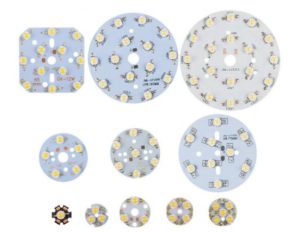
An aluminum PCB is a type of metal core printed circuit board (MCPCB) that uses an aluminum base layer instead of the traditional fiberglass substrate. This structure significantly improves heat dissipation, making it ideal for high-power electronics.
Unlike standard PCBs, aluminum printed circuit boards consist of multiple layers that help transfer heat away from sensitive electronic components.
Typical layers include:
-
Copper Circuit Layer – where electronic circuits are etched
-
Thermal Insulation Layer – electrically isolates the circuit from the metal base while transferring heat
-
Aluminum Base Layer – acts as a heat sink to dissipate heat efficiently
This design allows aluminum PCB boards to handle higher temperatures and maintain better performance in demanding environments.
What Is a Standard FR4 PCB?
Standard PCBs are typically made using FR4, a fiberglass-reinforced epoxy laminate. FR4 has been the most widely used PCB material for decades because of its low cost, durability, and electrical insulation properties.
A standard FR4 PCB structure usually includes:
-
Copper circuit layer
-
Fiberglass epoxy substrate (FR4)
-
Solder mask layer
-
Silkscreen layer
While FR4 PCBs work well for many applications, they have limited heat conductivity. When high-power components generate significant heat, FR4 materials may struggle to dissipate it effectively.
This limitation is one of the main reasons engineers choose aluminum PCB boards for thermal management applications.
Structure of Aluminum PCB Boards
The layered structure of aluminum printed circuit boards is designed specifically for efficient heat transfer.
1. Copper Layer
The copper layer forms the electrical circuit pathways. It is typically thicker than standard PCB copper layers to support higher current loads.
2. Dielectric Layer
This layer is critical in alu PCB design. It provides electrical insulation while allowing heat to move from the copper circuit layer to the aluminum base.
3. Aluminum Base
The aluminum substrate acts as a heat sink. It spreads and dissipates heat quickly, protecting electronic components from overheating.
Because of this structure, aluminum PCB boards offer significantly better thermal performance than standard FR4 PCBs.
Advantages of Aluminum PCBs
Excellent Heat Dissipation
The most important advantage of an aluminum PCB is its superior heat management. Aluminum has high thermal conductivity, allowing heat to move away from electronic components rapidly.
This reduces the risk of overheating and improves overall device reliability.
Improved Product Lifespan
By keeping operating temperatures lower, aluminum printed circuit boards help extend the life of LEDs, power transistors, and other heat-sensitive components.
Higher Mechanical Strength
Compared to FR4 materials, aluminum PCB boards are more durable and resistant to vibration and mechanical stress. This makes them suitable for automotive and industrial applications.
Better Thermal Stability
An alu PCB maintains stable performance under high temperatures and harsh operating conditions.
Reduced Need for Additional Heat Sinks
In many cases, the aluminum base itself acts as a heat sink. This can simplify product design and reduce system complexity.
Disadvantages of Aluminum PCBs
Although aluminum PCB boards offer many advantages, they also have some limitations.
Higher Manufacturing Cost
The production process for aluminum printed circuit boards is more complex than standard FR4 PCB manufacturing. This typically results in higher costs.
Limited Layer Count
Most alu PCB designs are single-layer or double-layer. Multi-layer aluminum PCBs are more complicated and expensive to produce.
More Difficult PCB Processing
Drilling, cutting, and routing aluminum PCB boards requires specialized equipment due to the metal substrate.
Design Restrictions
Certain circuit designs may be easier to implement on FR4 PCBs than on aluminum-based boards.
Despite these challenges, the thermal benefits often outweigh the disadvantages in high-power applications.
Aluminum PCB vs Standard PCB: Key Differences
| Feature | Aluminum PCB | Standard FR4 PCB |
|---|---|---|
| Base Material | Aluminum metal core | Fiberglass epoxy |
| Thermal Conductivity | Very high | Low |
| Heat Dissipation | Excellent | Moderate |
| Mechanical Strength | High | Moderate |
| Cost | Higher | Lower |
| Typical Applications | LED lighting, power electronics | Consumer electronics |
Because of these differences, aluminum printed circuit boards are often used when thermal management is a primary concern.
Applications of Aluminum PCBs
Due to their heat dissipation capabilities, aluminum PCB boards are widely used in several industries.
LED Lighting
LED lighting systems generate significant heat. Aluminum PCB technology helps maintain stable operating temperatures and improves LED lifespan.
Automotive Electronics
Automotive systems often experience high temperatures and vibration. Aluminum printed circuit boards provide the durability and heat management required for reliable performance.
Power Supplies
Power electronics and voltage regulators benefit from the thermal properties of alu PCB structures.
Industrial Equipment
Industrial control systems, motor drivers, and power modules frequently use aluminum PCB boards.
Consumer Electronics
Some high-performance consumer devices also integrate aluminum PCB technology to manage heat more effectively.
Companies such as Shenzhen Thriver Digital Tech Co., Ltd. provide custom aluminum printed circuit boards designed for LED lighting, power electronics, and industrial applications.
Manufacturing Process of Aluminum PCBs
The production of aluminum PCB boards involves several specialized steps.
1. Circuit Design
Engineers create a PCB layout optimized for thermal management.
2. Copper Pattern Etching
The copper layer is etched to form the circuit traces.
3. Dielectric Layer Lamination
The thermal insulation layer is laminated between the copper circuit and the aluminum base.
4. Drilling and Routing
Precise drilling and routing create component holes and board shapes.
5. Surface Finishing
Common finishes include HASL, ENIG, and OSP.
6. Testing and Inspection
Each aluminum PCB undergoes electrical testing and quality inspection to ensure reliability.
Experienced manufacturers such as Shenzhen Thriver Digital Tech Co., Ltd. specialize in producing high-quality alu PCB solutions for global electronics industries.
Conclusion
As electronic devices continue to become more powerful and compact, thermal management has become a critical design consideration. Aluminum PCB boards provide an effective solution by combining strong mechanical support with excellent heat dissipation.
Compared with traditional FR4 boards, aluminum printed circuit boards offer significant advantages in high-power applications such as LED lighting, automotive electronics, and power conversion systems. While alu PCB technology may involve higher manufacturing costs and design limitations, the improved reliability and thermal performance often justify the investment.
By understanding the differences between aluminum PCB and standard PCBs, engineers and manufacturers can select the most appropriate solution for their specific applications. As industries continue to demand higher efficiency and durability, aluminum PCB boards will remain an essential technology in modern electronics.
FAQs
What is the structure of aluminum PCB?
An aluminum PCB typically consists of three layers: a copper circuit layer, a dielectric insulation layer, and an aluminum base layer. The copper layer carries electrical signals, the dielectric layer provides insulation and thermal transfer, and the aluminum base dissipates heat efficiently. This structure makes aluminum printed circuit boards ideal for high-power applications.
How thick is aluminum PCB?
The thickness of an aluminum PCB board usually ranges from 0.8 mm to 2.0 mm for the aluminum base layer, although thicker substrates are available for specialized applications. The total thickness of aluminum printed circuit boards may vary depending on the copper layer, dielectric layer, and design requirements.
What is the maximum temperature for aluminum PCB?
Most aluminum PCB boards can operate safely at temperatures between 120°C and 150°C, depending on the dielectric material used. Because aluminum has excellent thermal conductivity, alu PCB structures can manage heat more effectively than standard FR4 PCBs.
What are the pros and cons of aluminum PCB?
The main advantages of an aluminum PCB include excellent heat dissipation, improved durability, better mechanical strength, and longer component lifespan. However, aluminum printed circuit boards may have higher manufacturing costs, limited multilayer options, and more complex production processes compared to standard FR4 PCBs.
When to use aluminum PCB?
You should use an alu PCB when thermal management is critical. This includes high-power LED lighting, power converters, automotive electronics, and industrial equipment where excessive heat can affect performance and reliability.
What are aluminum PCBs used for?
Aluminum PCB boards are widely used in LED lighting systems, automotive electronics, power supplies, motor control circuits, and industrial equipment. Their ability to dissipate heat makes them essential in high-power electronic applications.
What is the difference between aluminum and FR4 PCB?
The main difference is the base material. Aluminum PCB uses a metal core substrate, while standard PCBs use fiberglass FR4 material. As a result, aluminum printed circuit boards provide superior thermal conductivity and heat dissipation compared to FR4 PCBs.
Does PCB have aluminum?
Yes, some PCBs use aluminum as the base layer. These are known as aluminum PCB boards or metal core PCBs, which are designed for applications that require efficient heat management.
How are aluminum PCBs made?
Aluminum printed circuit boards are manufactured through processes including circuit design, copper etching, dielectric layer lamination, drilling, surface finishing, and electrical testing. The aluminum base layer is bonded to the circuit layer using a thermally conductive dielectric material.